Winter, is it the right time prune your trees?

image

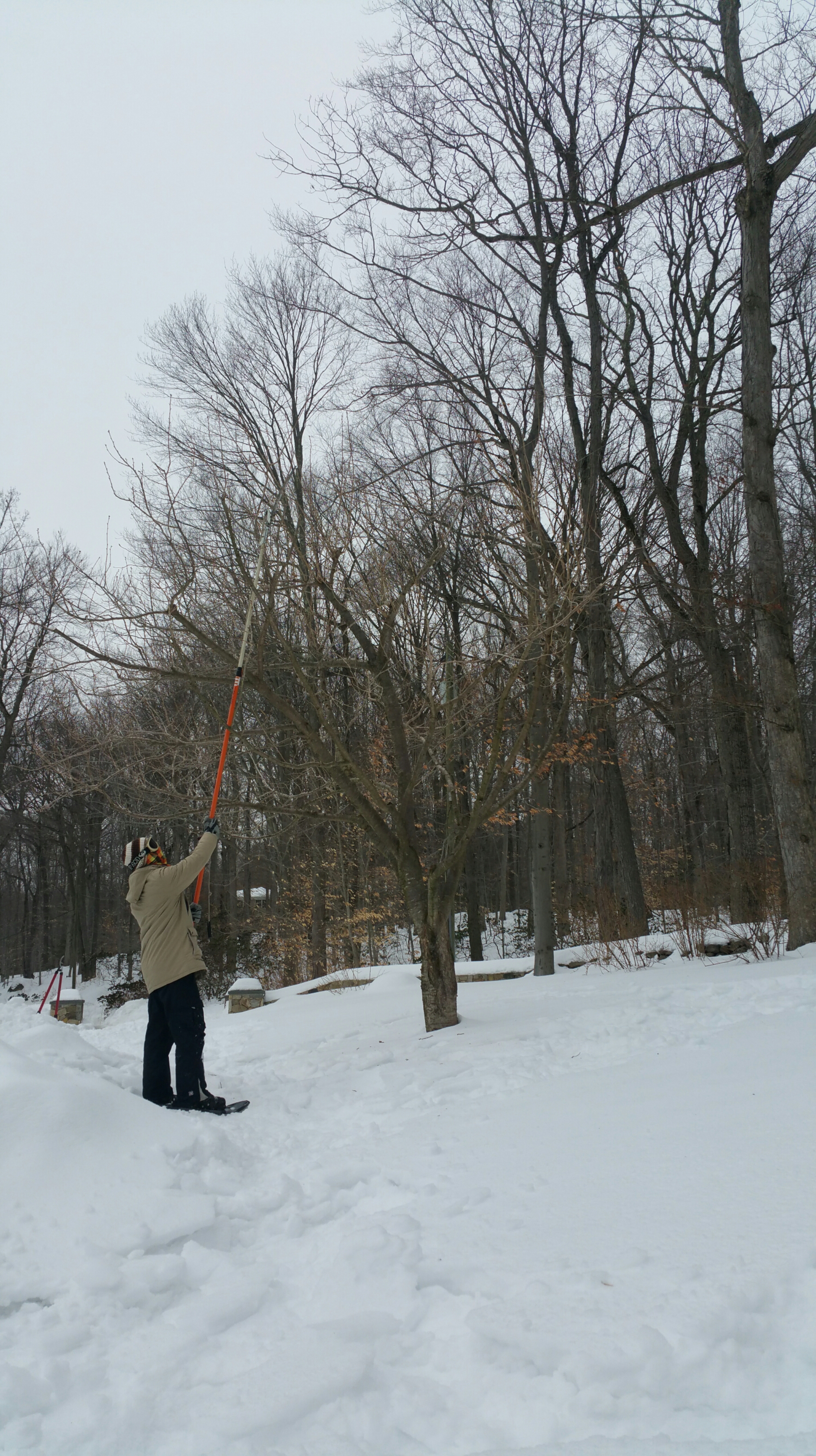
In the winter months we normally don’t think about pruning trees. But this is one of the best times to prune. A few reasons why this is the best time are listed below.

1. Better growth response- pruning while the tree is dormant allows the tree to direct it’s sap to the proper branches.

2. Disease management- pruning during the winter months reduces the chance of spreading diseases through the pruning cuts.

3. Visible branches- winter pruning allows me to view of the branches without the leaves blocking you view. This allows me to make better decisions when selecting which branches to remove.

If your trees are in need of proper care, please feel free to contact me.
Deer Damage

image

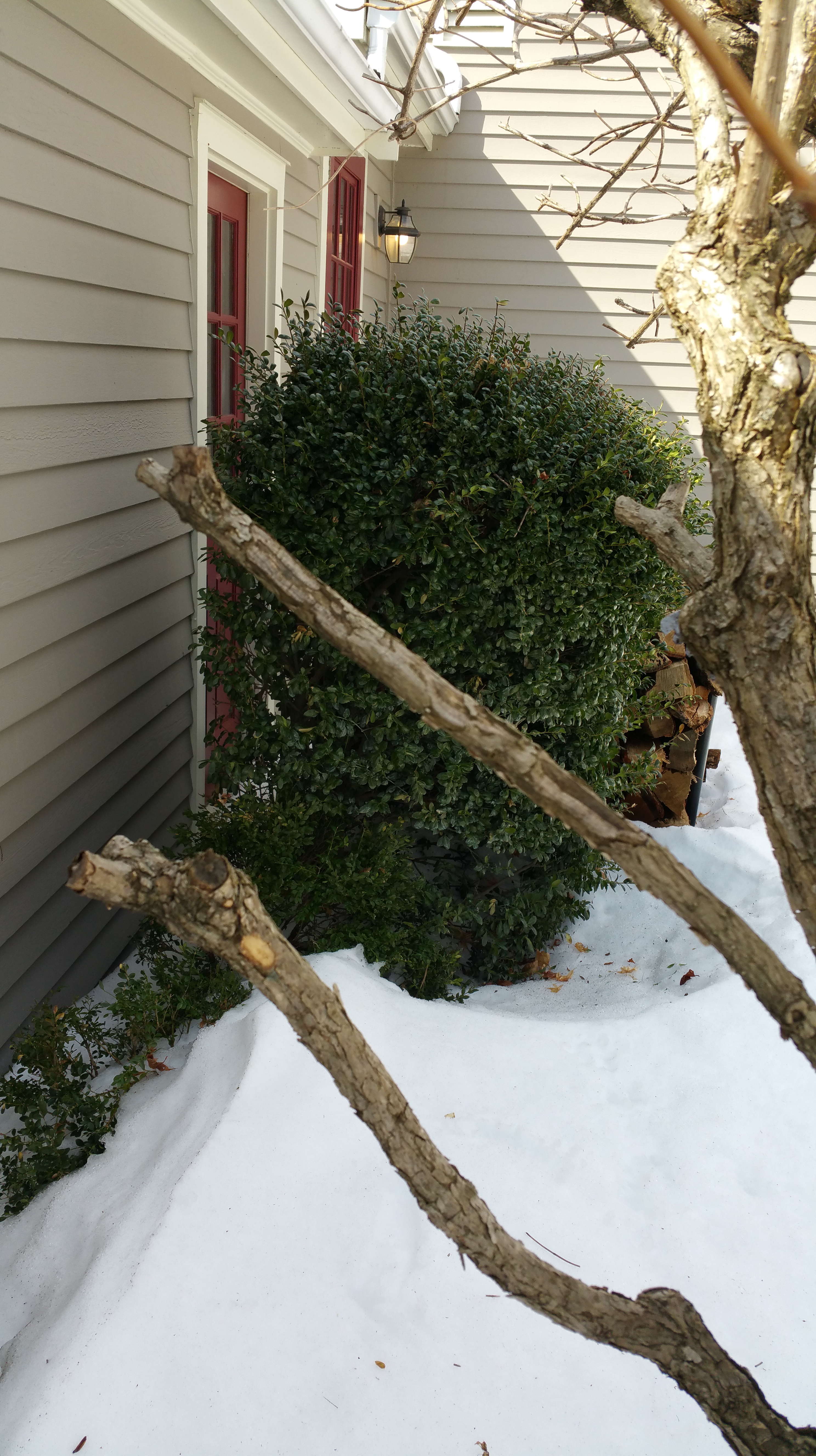
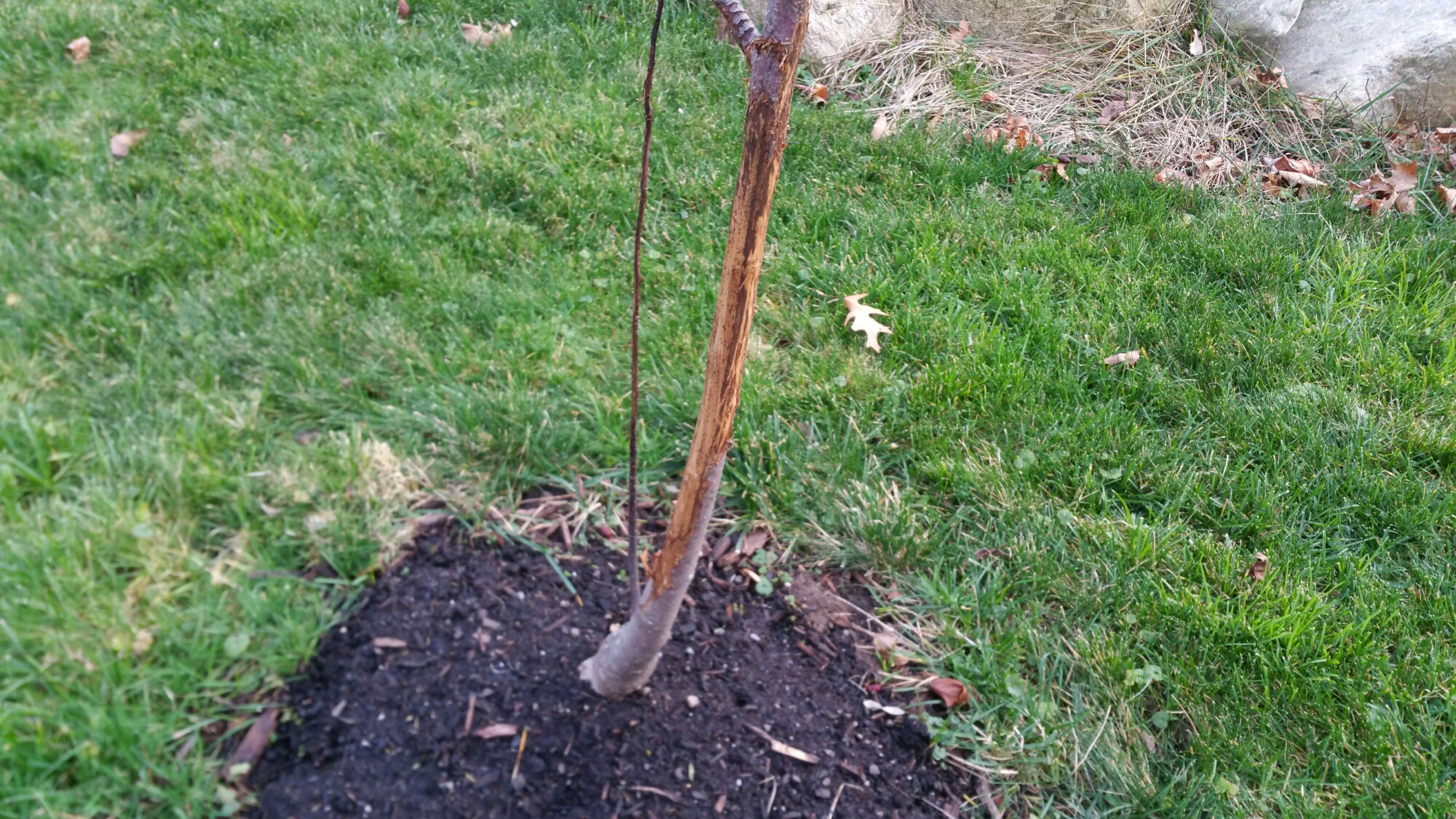
We all know how deer love to eat up your landscape, but they can also make quite a mess with their antlers. A male deer marks it scent by rubbing his antlers on a tree of shrub.

The issue is when the bark is rubbed off the trunk. This damages the layer that transports water and nutrients for the tree.

When this happens it called girdling. Girdling is when the bark has been scraped away all the way around the trunk. This is a death sentence for tree’s.

Hopefully the rubbing has been minimal. If only a small part of the trunk is affected, the tree could lose some branches which should be pruned off to prevent other issues from happening.

Some options to stop further damage to the trunk would be using a spray deterrent or to setup a small fence to protect your trees and shrubs.

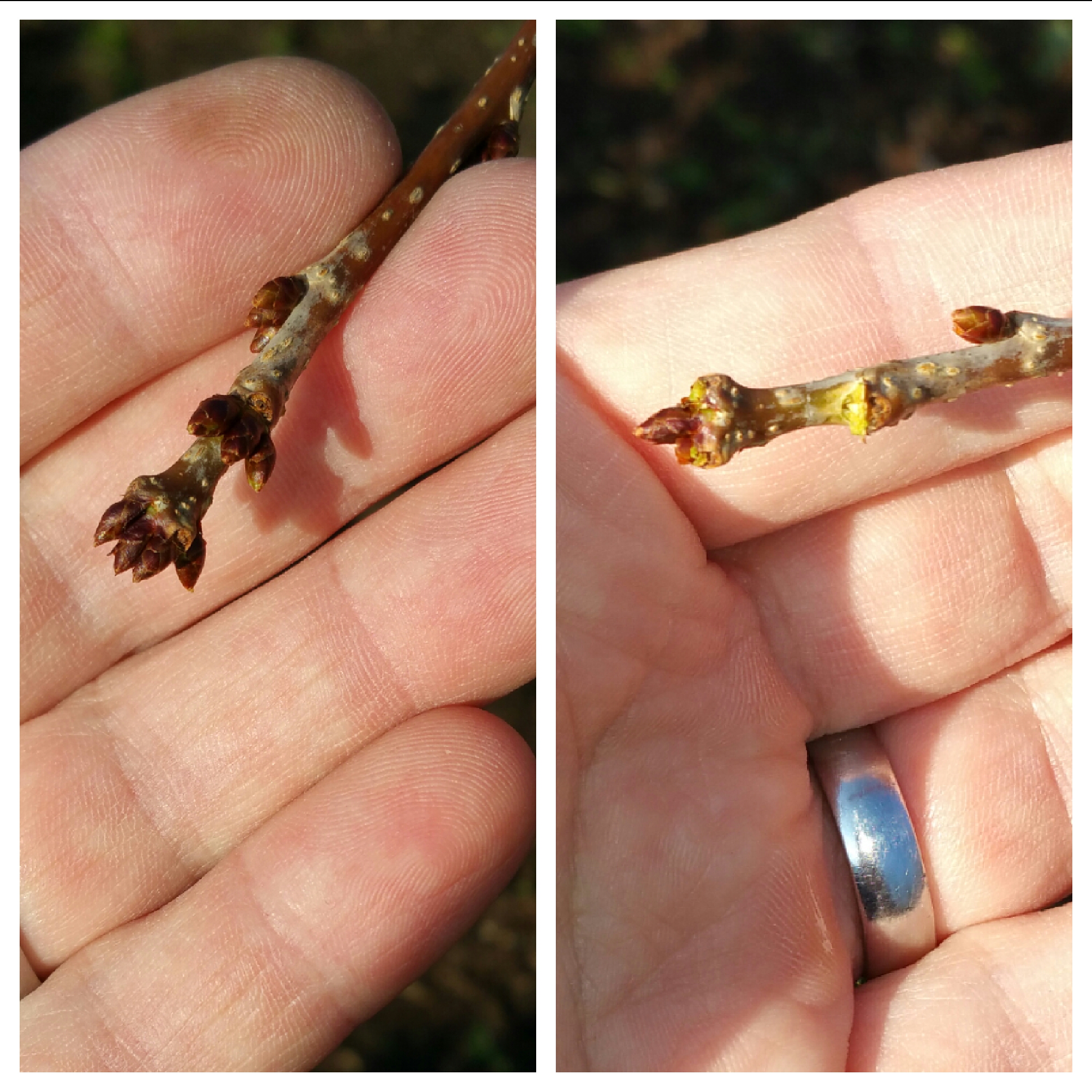
Nip it in the bud?

image

Training a tree or shrub not only includes just pruning branches to remove dead, disease and crossing branches. It’s involves planning the direction you want next year’s grow to go. Removing competing buds takes time, but will help direct your tree’s and shrubs growth pattern.

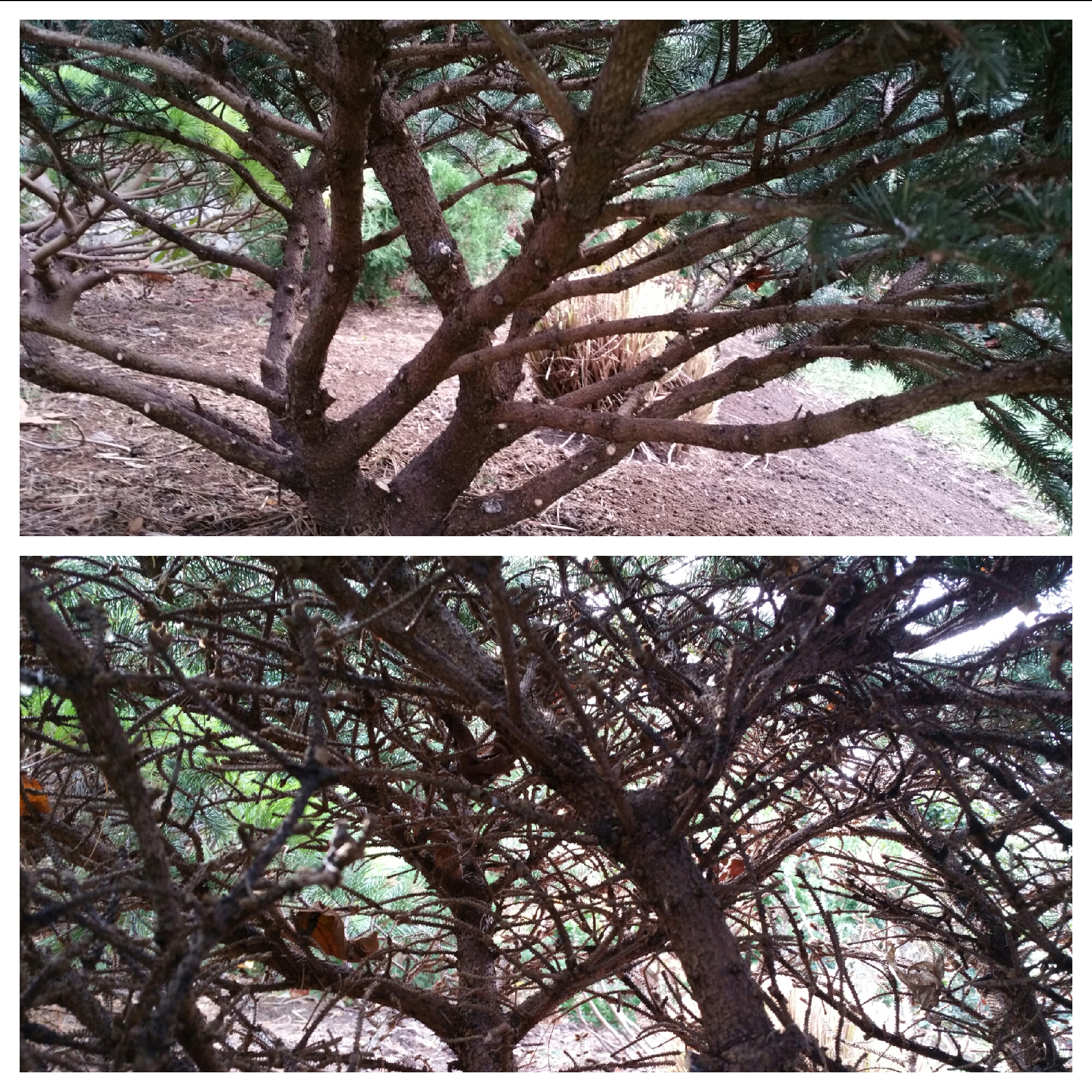
Pruning a dwarf globe blue spruce

image

Here is a before and after of a Dwarf Globe Blue Spruce I worked on today. Pruning can encourage plant vigor through the removal of weak, overcrowded growth. Such thinning often improves the visual balance or symmetry of the plant. Remove dead, diseased, or broken branches.  Pruning will aid in maintaining the shape, vigor, and health of the plant.

Be careful with non selective weed killers!

Found this on a property recently, and thought it would be good to give a reminder about the use of traditional and organic broad spectrum or non selective weed killers. (Round up, Avenger, Vinegar, etc…) Only use this spray tank with these chemicals, never use it as selective herbicide, fungicide or insecticide sprayer. Make sure your sprayers don’t leak and if they do PLEASE don’t walk across your lawn.

image

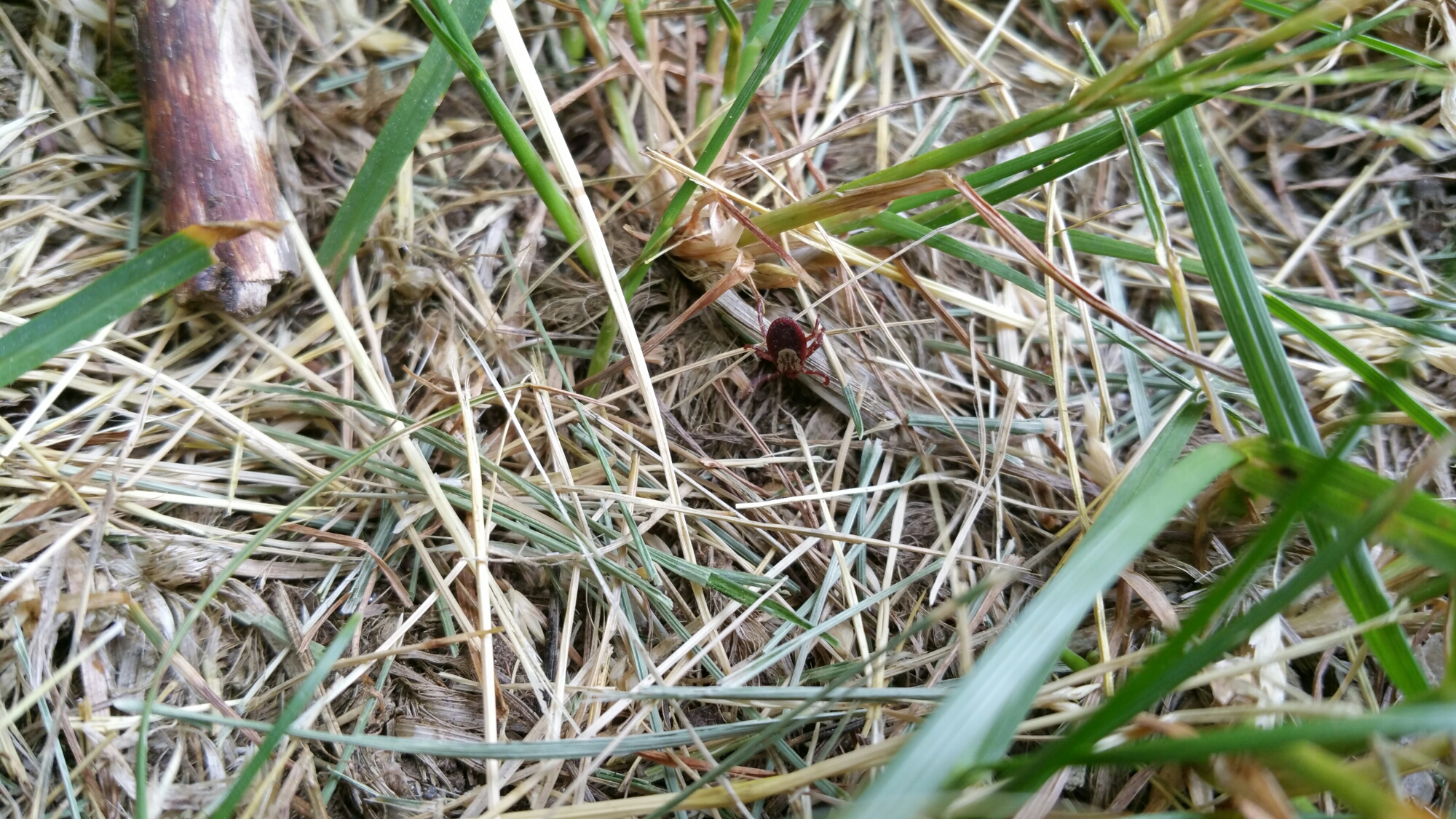
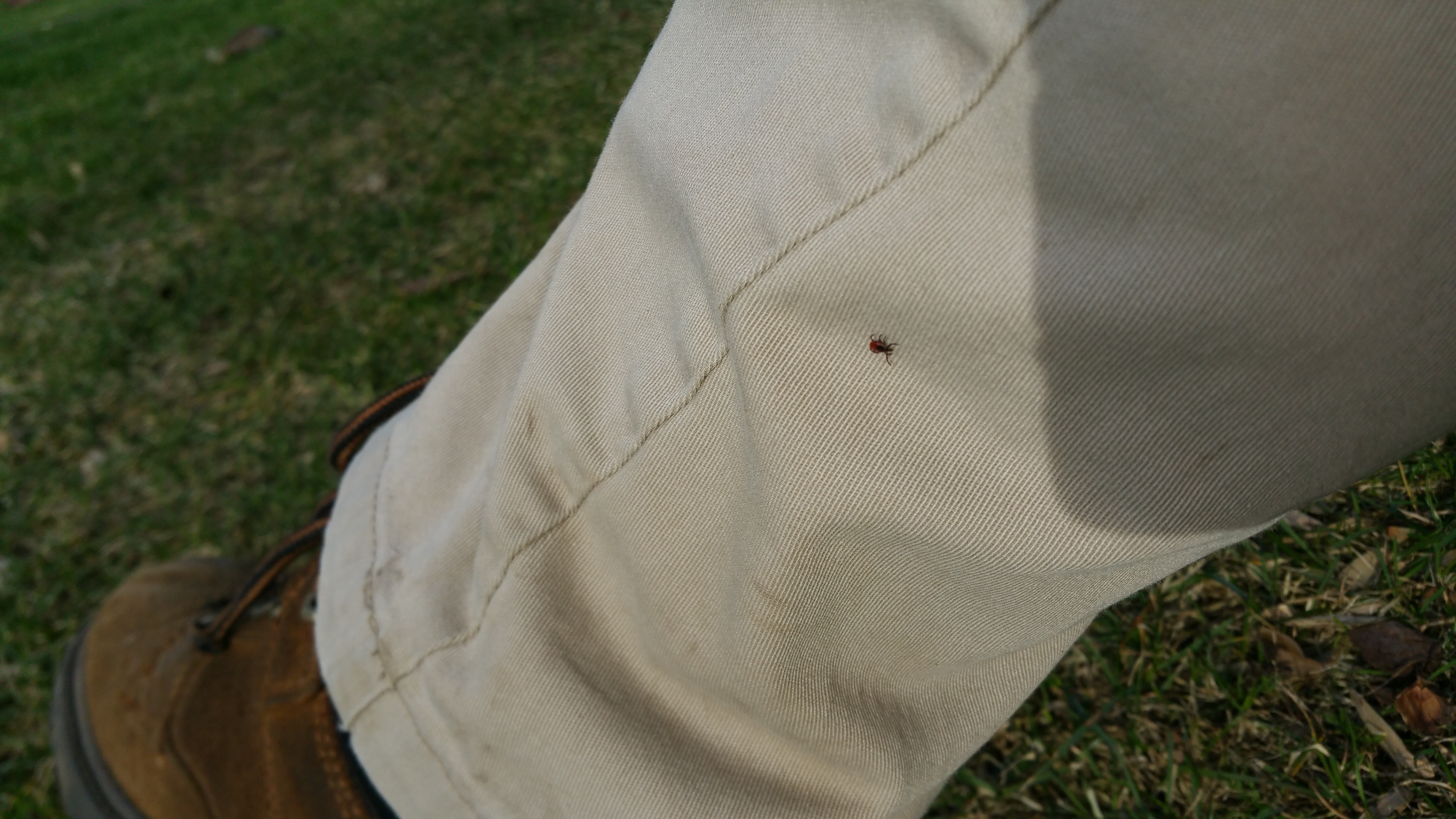
Can you spot the tick?

image

Be careful, the adult female ticks are still looking for a blood meal so they can lay their egg cluster. It can take a second for a tick to hitch a ride while your out enjoying your yard or in the woods. Always check your self, your family and your pets after being outside. American dog ticks are  most numerous along roadsides, paths, old fields, marshy areas and trails in brushy woodlands or meadows with  tall grass or weeds. So it is very likely you or your pet may bring these ticks from outdoors into the home, where they can survive for many days.

Ticks are not picky feeders, protect your pets.

wpid-20150402_134655.jpg

Who is at risk for infection with Powassan virus?

Anyone bitten by a tick in an area where the virus is commonly found can get infected with POW virus. The risk is highest for people who live, work or recreate in brushy or wooded areas, because of greater exposure to potentially infected ticks.

How soon do people get sick after getting bitten by an infected tick?

The incubation period (time from tick bite to onset of illness) ranges from one week to one month.

Give me a call if your concerned about your family and your pets.

Is fertilizing important?

wpid-2015-05-09-06.31.26.jpg.jpeg

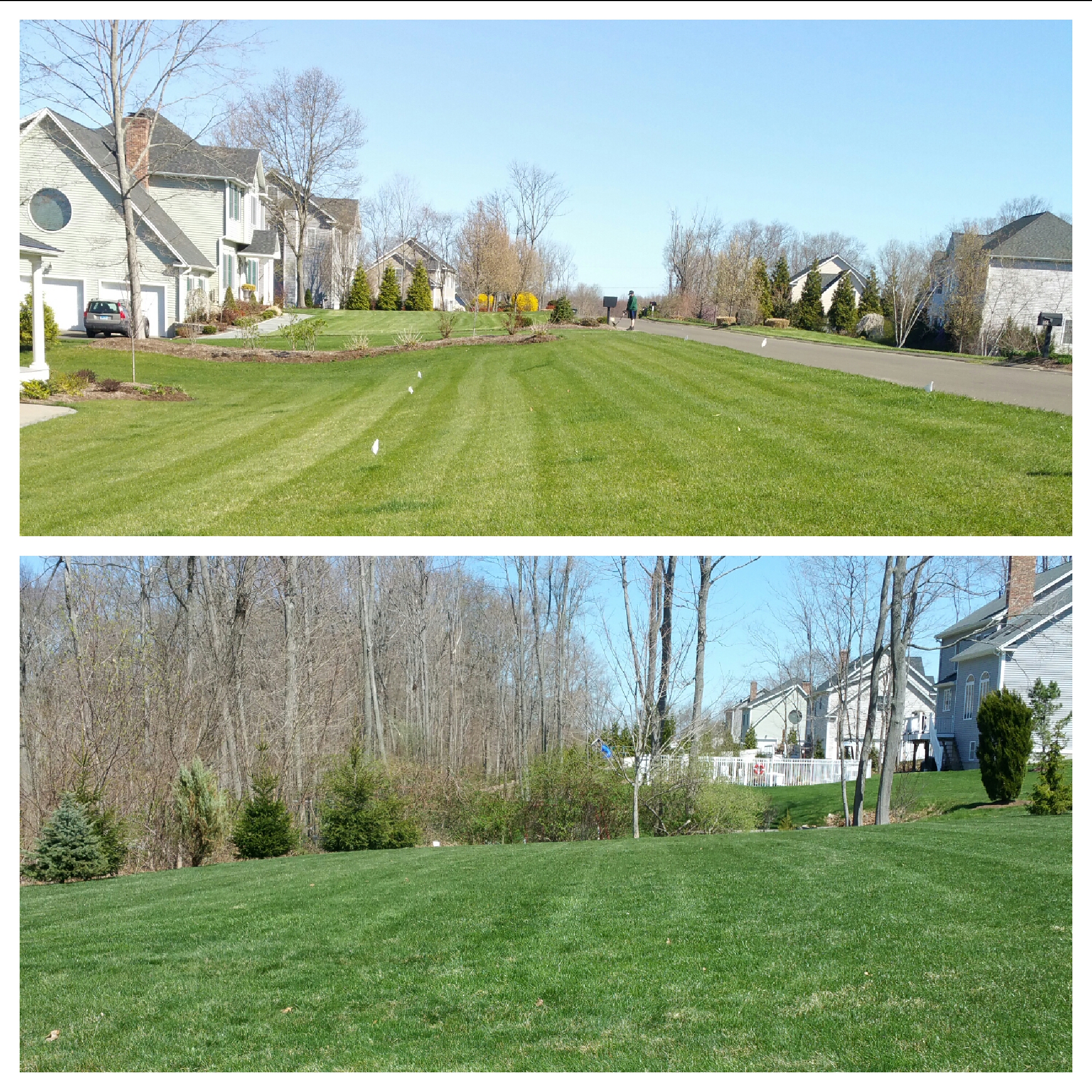
Although it is spring time now, I wanted to show the difference when a property does a late fall application compared to one that didn’t. The benefit of a well-timed late season application includes: good winter color, increased rooting, enhanced carbohydrate reserves, and earlier spring green-up (without surge growth). That top image is the property that skipped the late fall application. The bottom image has had the late fall application. Can you see the difference? Your neighbors will.  If you want you lawn to be the best one on the street give me a call.

Protect yourself from ticks

image

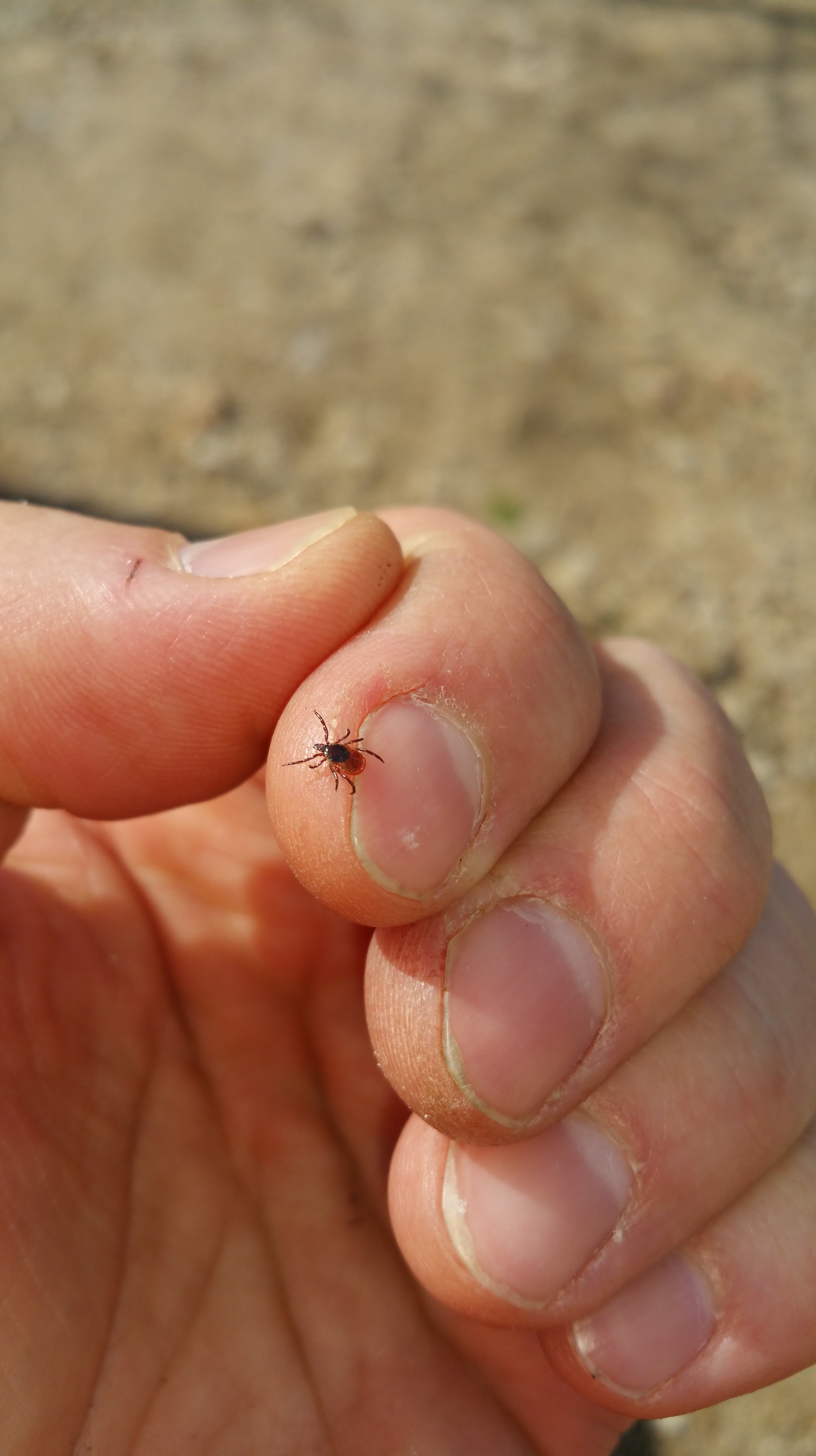
This is a female blacklegged tick I found on a new property that hasn’t been treated yet. Spring time is tick feeding time. Be careful out there, ticks can be up your pant legs quickly without you noticing.

Here are some proactive things you can do to protect your family.

•  Keep grass mowed.
•  Remove leaf litter, brush and weeds at the edge of the lawn.
•  Restrict the use of groundcover, such as pachysandra in areas frequented by family and roaming pets.
•  Remove brush and leaves around stonewalls and wood piles.
•  Discourage rodent activity. Cleanup and seal stonewalls and small openings around the home.
•  Move  fi rewood piles and bird feeders away from the house (see section on small mammals and birds).
•  Manage pet activity, keep dogs and cats out of the woods to reduce ticks brought back into the home.
•  Use plantings that do not attract deer or exclude deer through various types of fencing.
•  Move children’s swing sets and sand boxes away from the woodland edge and place them on a wood chip or mulch type foundation.
•  Trim tree branches and shrubs around the lawn edge to let in more sunlight.
•  Adopt hardscape and xeriscape landscaping techniques with gravel pathways and mulches. Create a 3-foot or wider wood chip, mulch, or gravel border between lawn and woods or stonewalls.
•  Consider areas with decking, tile, gravel and border or container plantings in areas by the house or frequently traveled.
•  Widen woodland trails.
•  Consider a least-toxic pesticide application as a targeted barrier treatment.

wpid-20150413_171529.jpg

Reasons to prune?

wpid-studio_20150322_233902.jpg

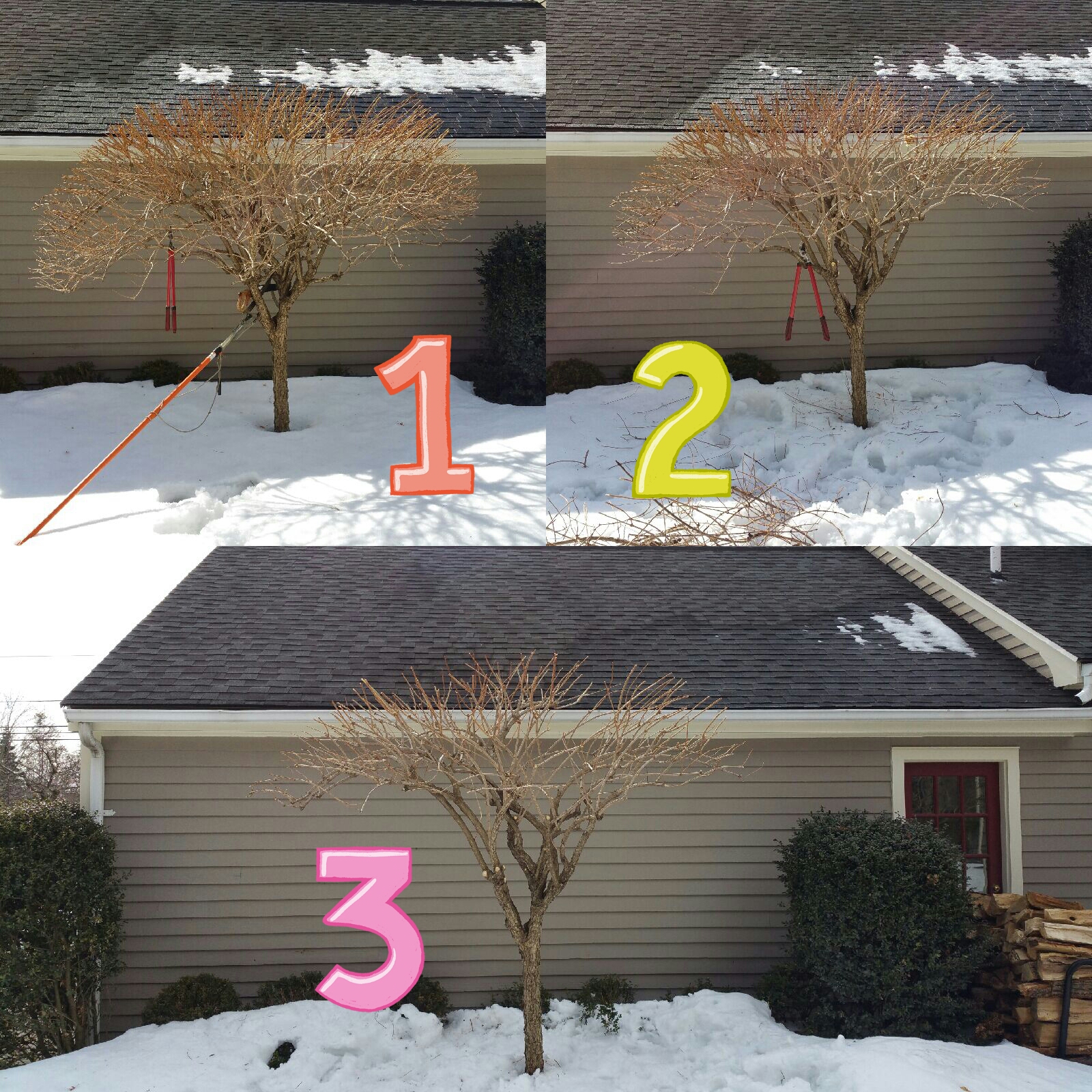
There are three main reasons for pruning. Safety, Health and Aesthetics. This group of pictures are an example of pruning for health and aesthetics.  

Picture 1. This is what I started out with, a hydrangea tree filled with dead, diseased and crossing branches. Picture 2. Shows the removal of just the dead branches. Picture 3. Shows is the finished tree with the diseased and crossing branches removed as well as pruning for aesthetics, meaning balancing the shape of the tree to be pleasing to the eye.

With hydrangea trees they produce flowers on its new wood, so be careful to leave as much new wood as possible.  When you prune each branch, it’s important to prune back to a bud that is pointing in the direction you want your new branches to grow towards.

wpid-20150311_134023.jpg

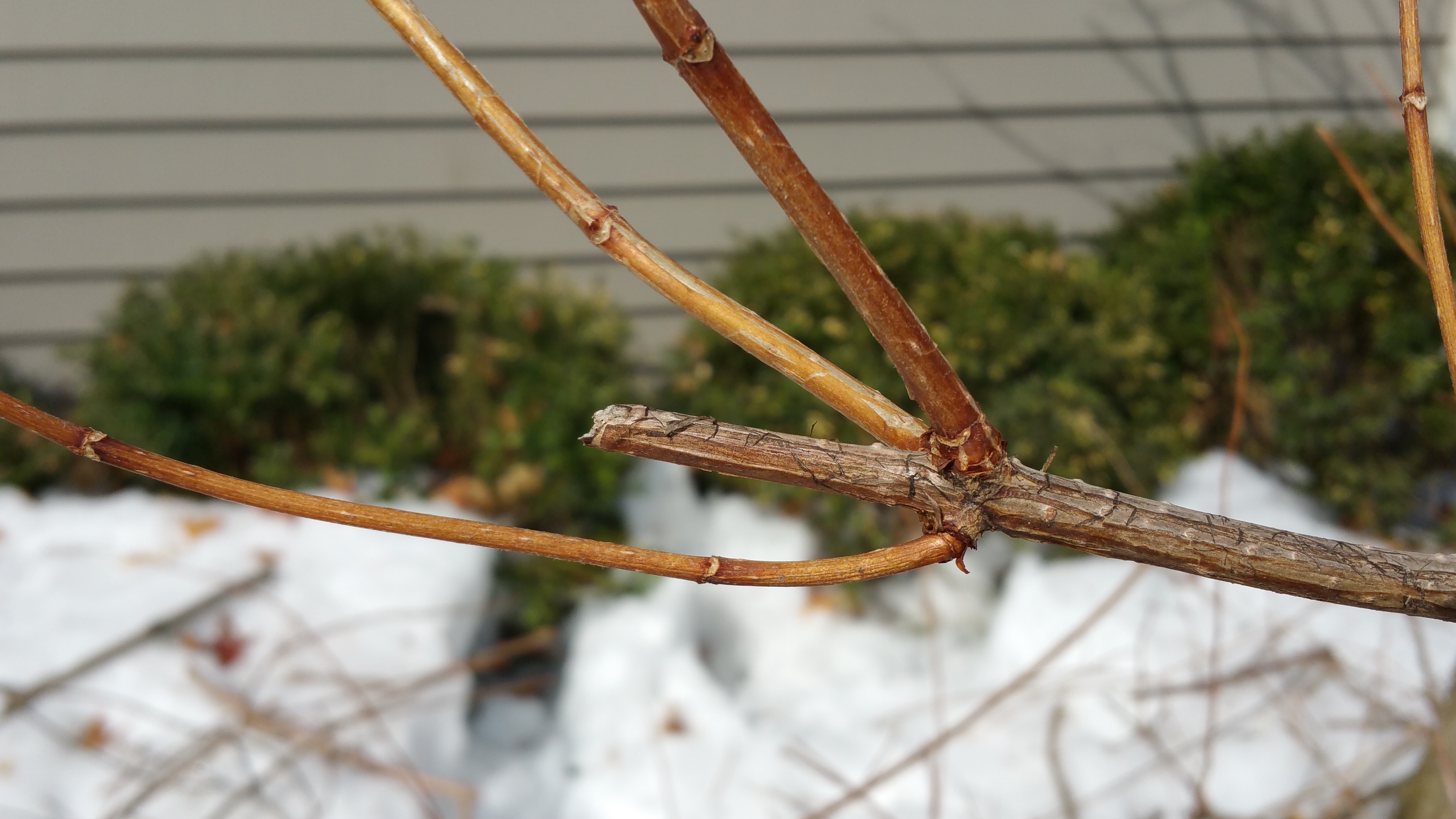
Here are some photos of bad pruning cuts I found on this tree.  You’ll notice the inch long dead stump with 3 branches vying for dominance. This cut should have been much closer to the bud and then nip the unwanted buds so you can direct the new branch growth in the desired way.

wpid-20150311_140900.jpg

Here are two branches that should have been removed completely. They where growing toward the house and all living branches had been removed already. Leaving branches like this, open the tree up to disease and insect infestation.

Any questions, feel free to ask in the comments section or contact me.