Reasons to prune?

wpid-studio_20150322_233902.jpg

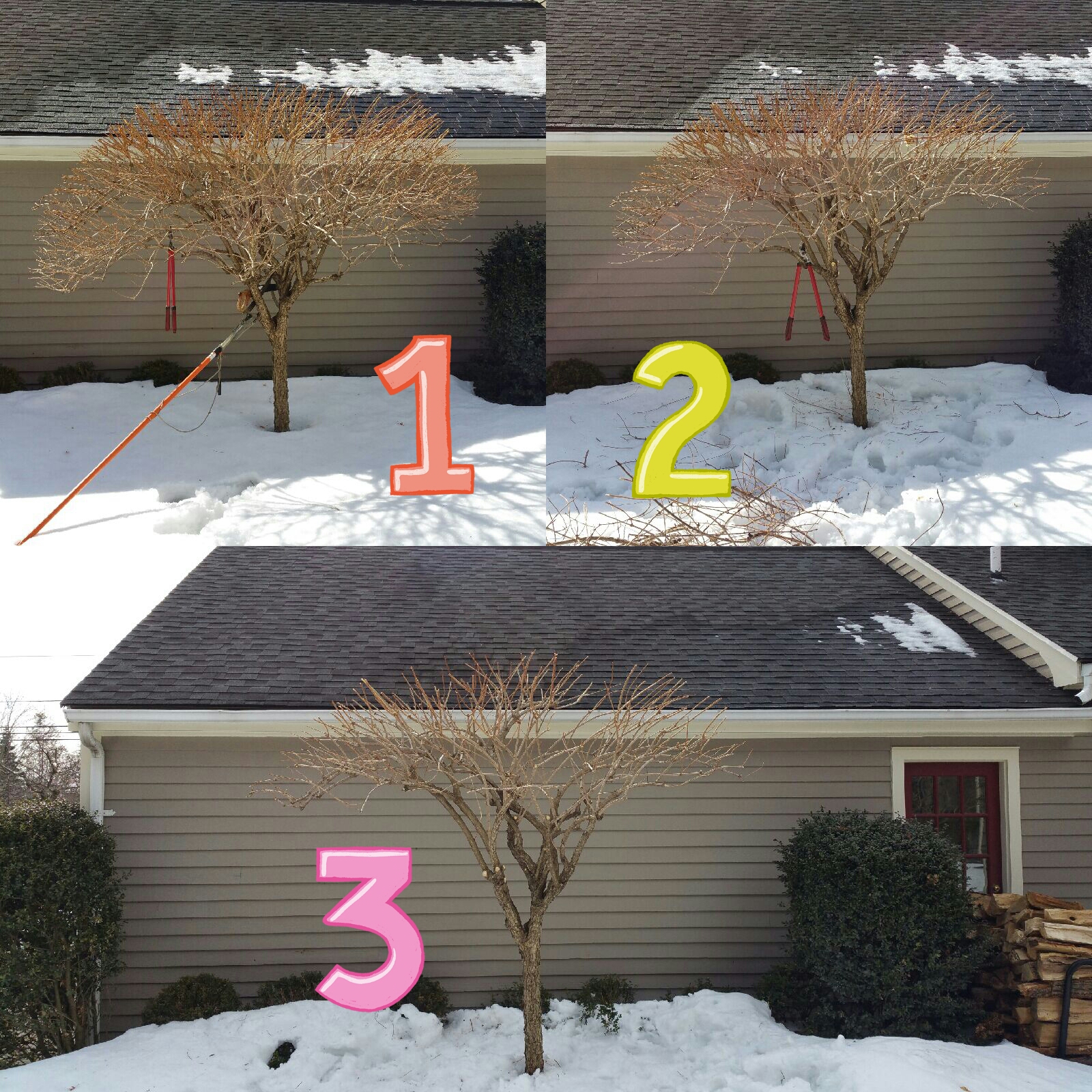
There are three main reasons for pruning. Safety, Health and Aesthetics. This group of pictures are an example of pruning for health and aesthetics.  

Picture 1. This is what I started out with, a hydrangea tree filled with dead, diseased and crossing branches. Picture 2. Shows the removal of just the dead branches. Picture 3. Shows is the finished tree with the diseased and crossing branches removed as well as pruning for aesthetics, meaning balancing the shape of the tree to be pleasing to the eye.

With hydrangea trees they produce flowers on its new wood, so be careful to leave as much new wood as possible.  When you prune each branch, it’s important to prune back to a bud that is pointing in the direction you want your new branches to grow towards.
wpid-20150311_134023.jpg

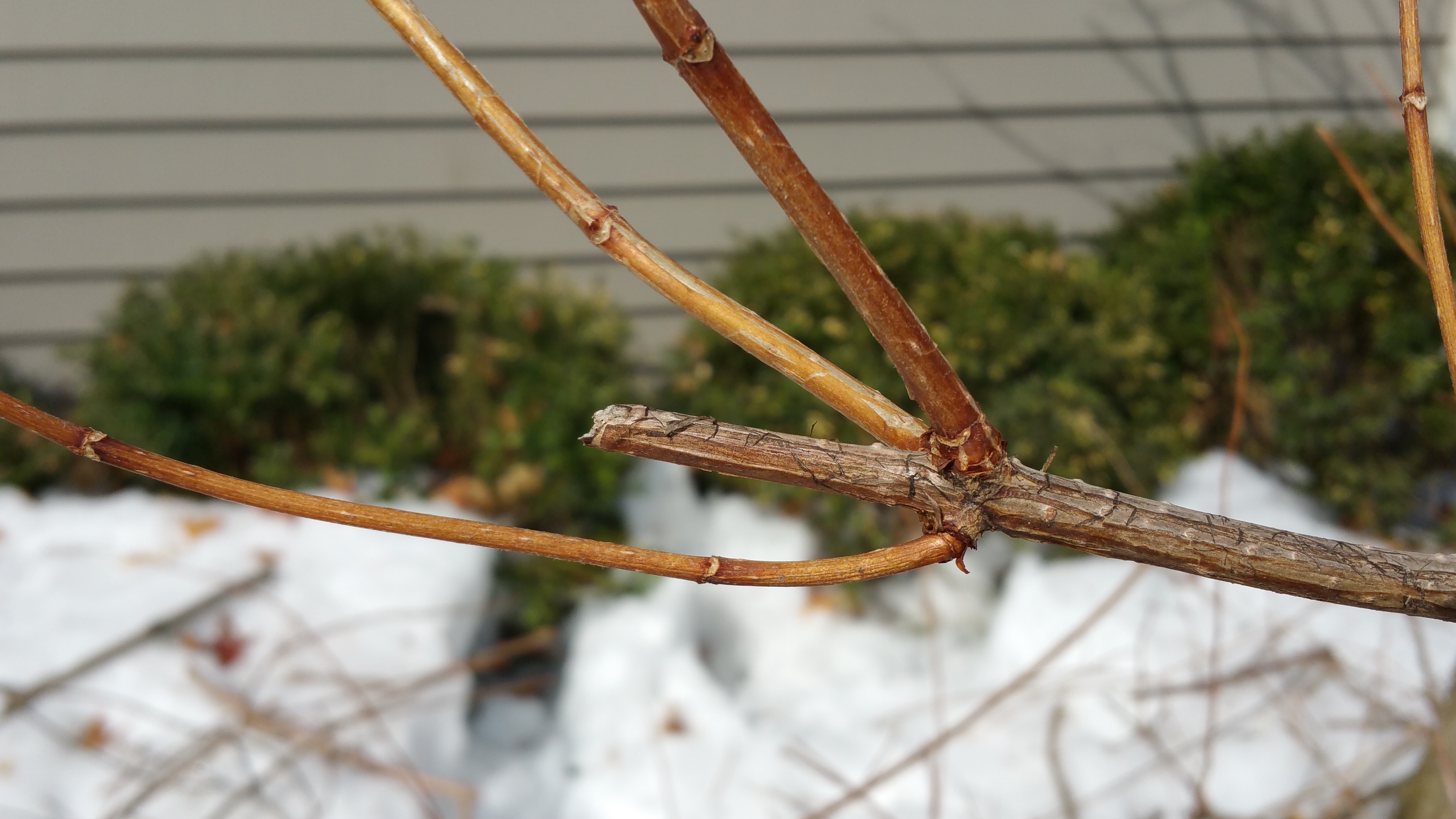
Here are some photos of bad pruning cuts I found on this tree.  You’ll notice the inch long dead stump with 3 branches vying for dominance. This cut should have been much closer to the bud and then nip the unwanted buds so you can direct the new branch growth in the desired way.
wpid-20150311_140900.jpg

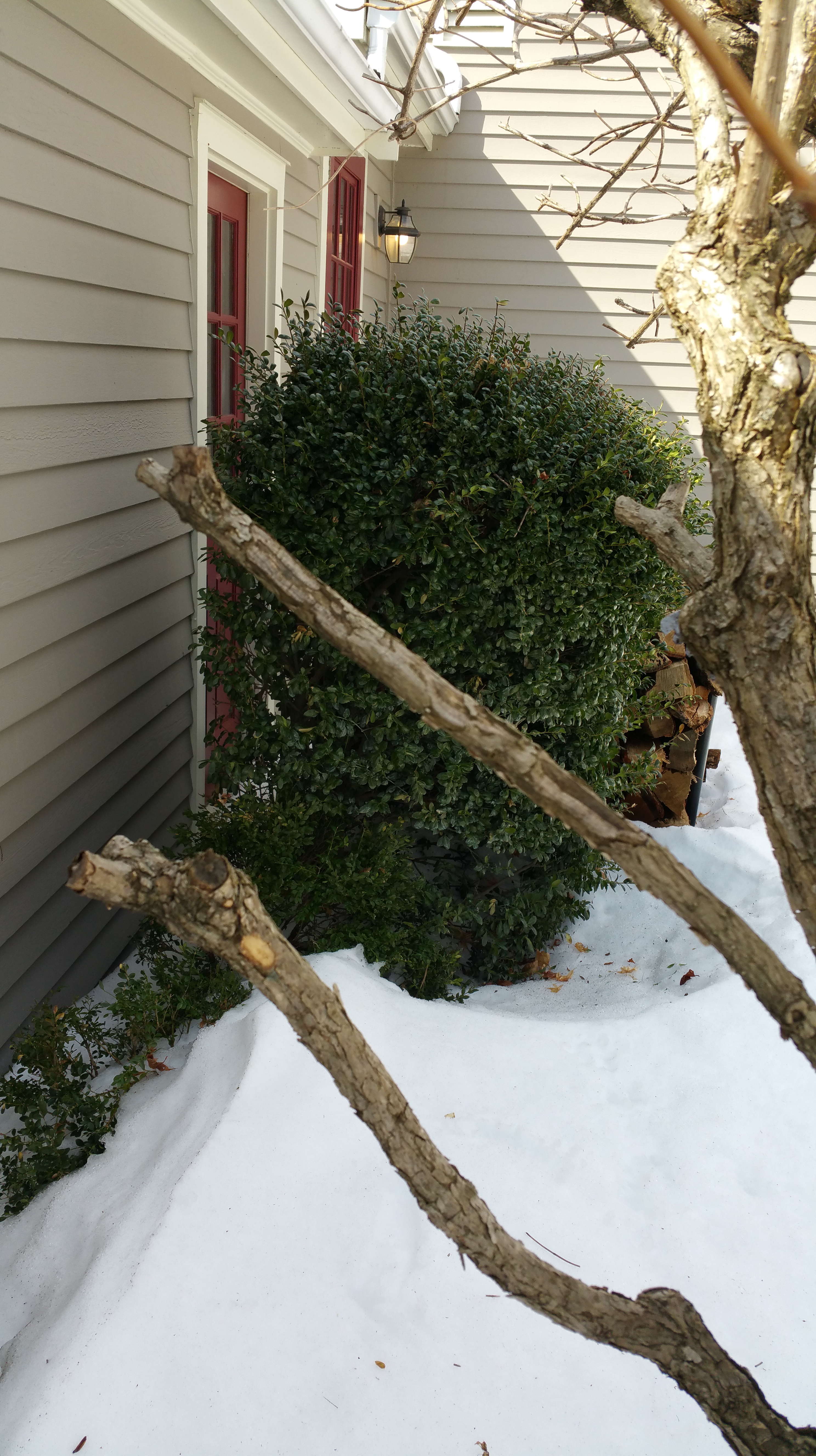
Here are two branches that should have been removed completely. They where growing toward the house and all living branches had been removed already. Leaving branches like this, open the tree up to disease and insect infestation.

Any questions, feel free to ask in the comments section or contact me.
Pruning cuts, are they important?

Proper pruning techniques are vital for a healthy tree.

Proper pruning techniques are vital for a healthy tree.

Pruning is one of the most important cultural practices for maintaining woody plants and trees. It is a mixture of both the art and science. Art in making the pruning cuts properly, and science in knowing how and when to prune for maximum benefits to the tree.

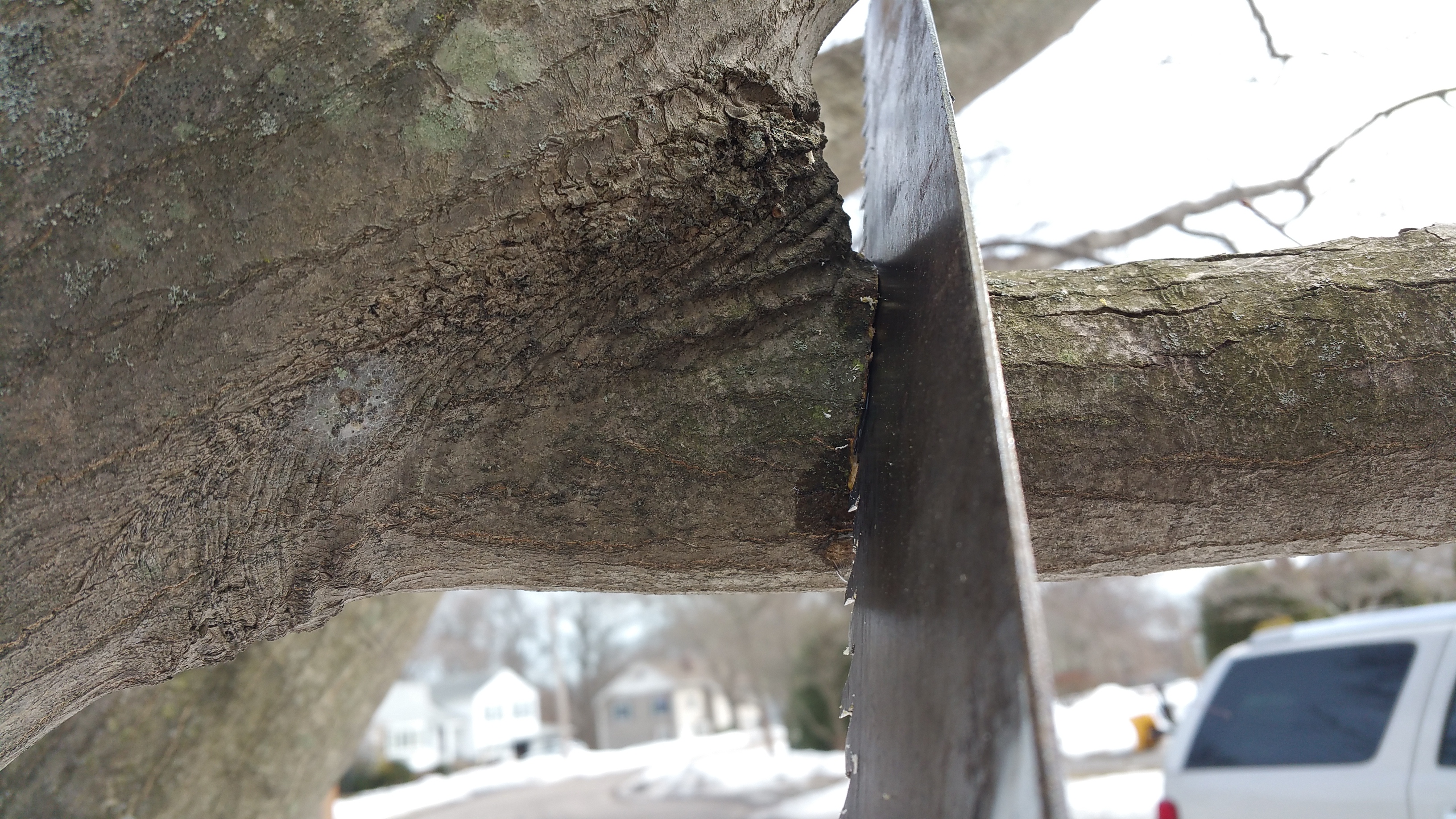
When making a cut into a limb, you want to make sure you’re not damaging the collar tissue or bark ridge of the limb so that the tree heals properly. The 2 areas of the limb, called the bark ridge at the junction of the two limbs, and the branch collar, a ring a slightly, a raised tissue where the latter of branches join the main limb, its function is to close off the wounds between the plant and the pruning cut. For the fastest healing, prune close to the main branch but with out injuring the bark ridge or the branch collar areas. But leaving a stub will slow healing and invite to decay.

Dormant pruning

wpid-20150226_100307.jpg

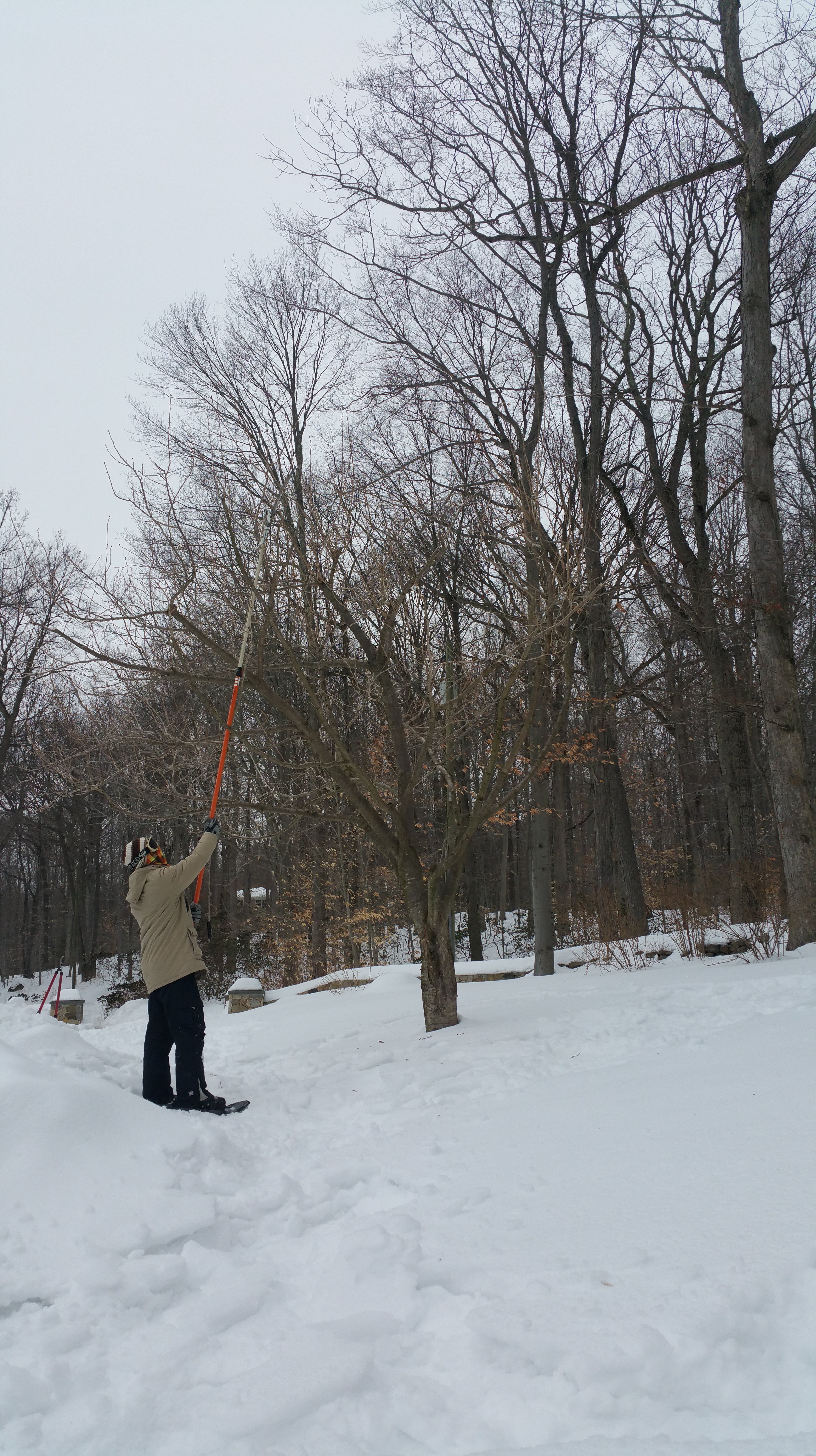
In the winter months we normally don’t think about pruning trees. But this is one of the best times to prune. A few reasons why this is the best time are listed below. If your trees are in need of this service please contact me.

1. Better growth response- pruning while the tree is dormant allows the tree to direct it’s sap to the proper branches.

2. Disease management- pruning during the winter months reduces the chance of spreading diseases through the pruning cuts.

3. Visible branches- winter pruning allows me to view of the branches without the leaves blocking you view. This allows me to make better decisions when selecting which branches to remove.